
Caring for Elderly Parents at Home — Mobility, Dementia & End-of-Life Support
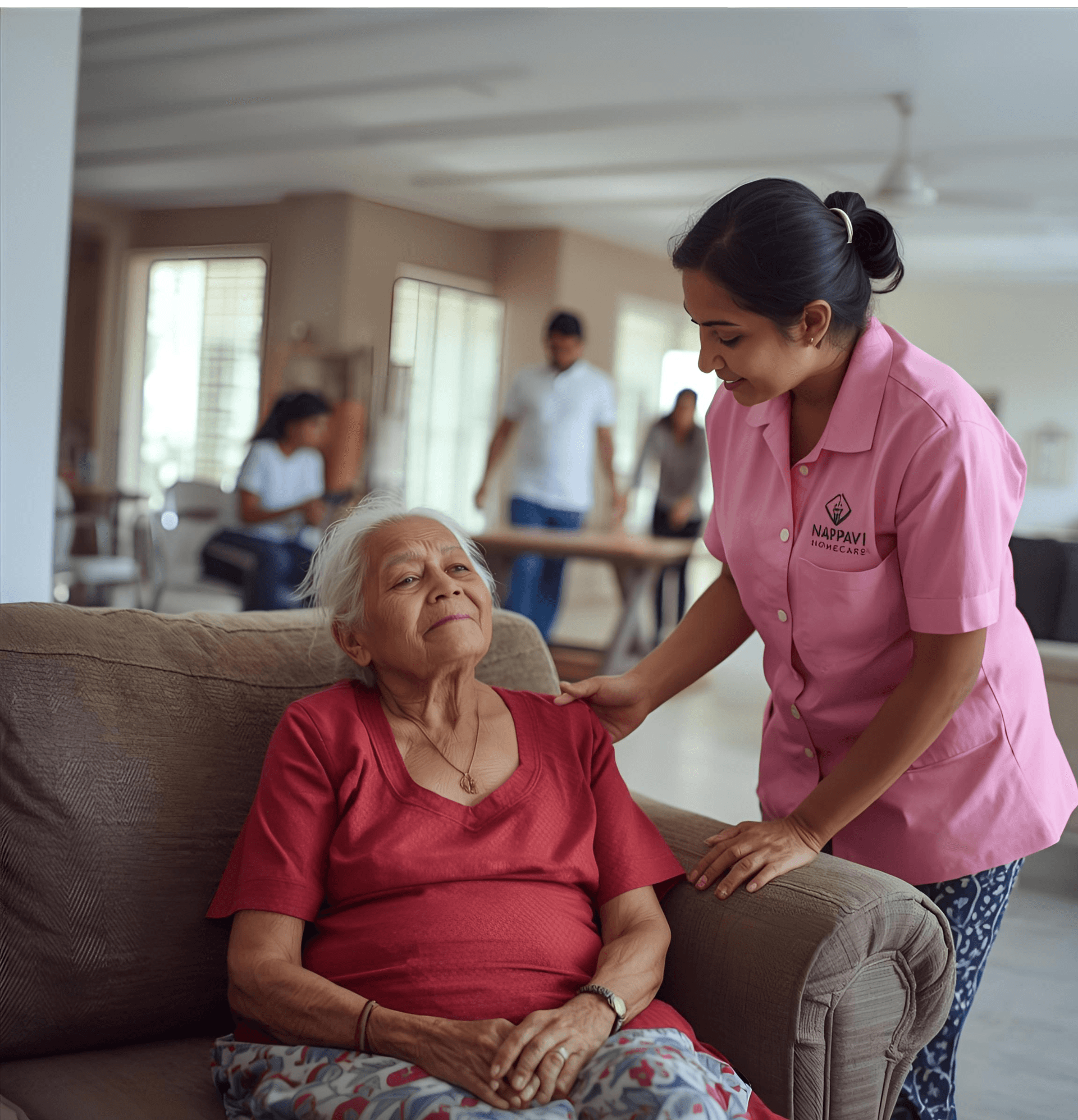
Elder care at home works best when clinical needs, everyday safety, dignity, and family communication are managed together. The correct plan depends on diagnosis, dependency, mobility, and stage of illness.
Begin With a Clinical and Functional Assessment
Review diagnoses, discharge advice, medications, fall risk, cognition, nutrition, skin condition, mobility, and medical devices. This defines whether scheduled visits, shift nursing, or continuous care is appropriate.
Build a Predictable Daily Care Plan
Clinical routines
Vitals, medication administration, wound or device care, and condition-specific monitoring.
Personal support
Hygiene, nutrition, positioning, mobility, and toileting assistance delivered with dignity.
Family updates
Documented observations help families make timely decisions.
Manage Dementia and Mobility Risks Carefully
Consistent routines, fall prevention, pressure-injury prevention, gentle communication, and supervised movement reduce avoidable distress and complications.
Plan Comfort and End-of-Life Support
Palliative nursing focuses on comfort, symptom observation, dignity, family participation, and coordination with the treating clinician. Scope and escalation should be agreed before care begins.
Unsure What Level of Elder Care Is Appropriate?
A free consultation can help identify the correct care category, deliverables, and schedule.