
Safe Hygiene & Infection Control for Newborns at Home
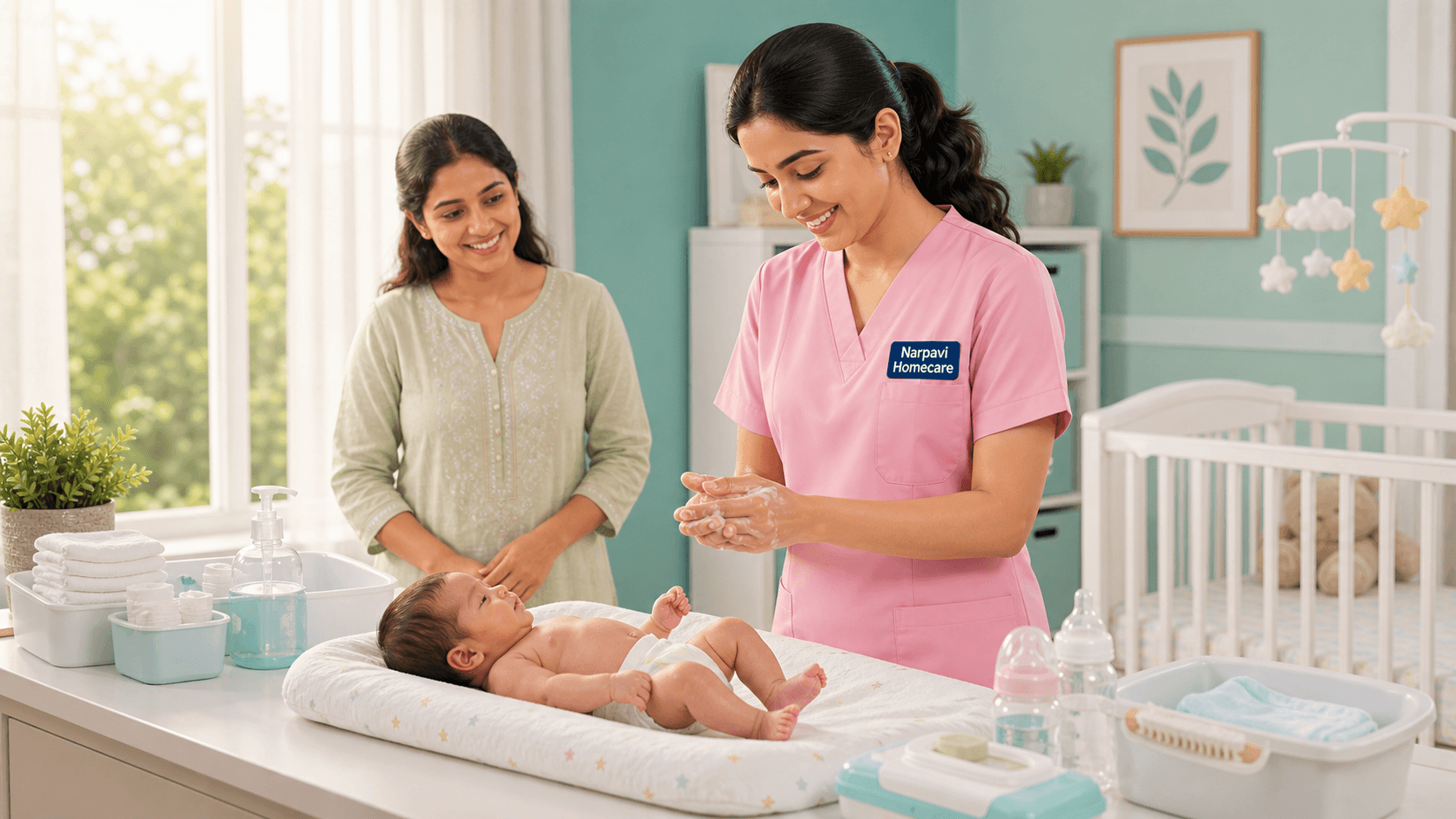
Newborns have delicate immune systems, so hygiene at home matters every day. Clean hands, safe feeding routines, cord care, and visitor discipline can reduce infection risk and keep babies comfortable.
Hand Hygiene Comes First
Everyone who touches the baby should wash or sanitize their hands first. This includes caregivers, parents, siblings, and visitors. Caregivers should also change into clean clothes when needed.
Before every touch
Wash hands before feeding, diaper care, bathing, and soothing.
Visitor sanitizer
Keep sanitizer near the baby area and use it consistently.
Keep Feeding Items Clean
Bottle parts, pump parts, spoons, and feeding surfaces should be cleaned and sterilized as advised. Formula should be prepared with safe water and discarded when it is no longer suitable.
Sterilize properly
Clean bottles and pump parts after every use.
Safe preparation
Use boiled and cooled water for formula when appropriate.
Bathing and Cord Care
Newborn skin is sensitive. Use mild cleansers, avoid harsh fragrance, keep the diaper area dry, and keep the umbilical stump clean and dry until it naturally falls off.
Limit Exposure to Illness
Avoid crowded places and visitors with cough, fever, cold, or infection symptoms. Family members returning from outside should wash hands and change clothes before handling the baby.
Clean handling
Use gloves only when appropriate, and never as a replacement for clean hands.
Early detection
Caregivers should report fever, poor feeding, breathing discomfort, or unusual sleepiness.
Want Expert Hygiene Support?
Narpavi Homecare caregivers follow safe newborn hygiene routines, feeding safety, and infection-control discipline at home.